1203 East College Street Brownsville, TN 38012


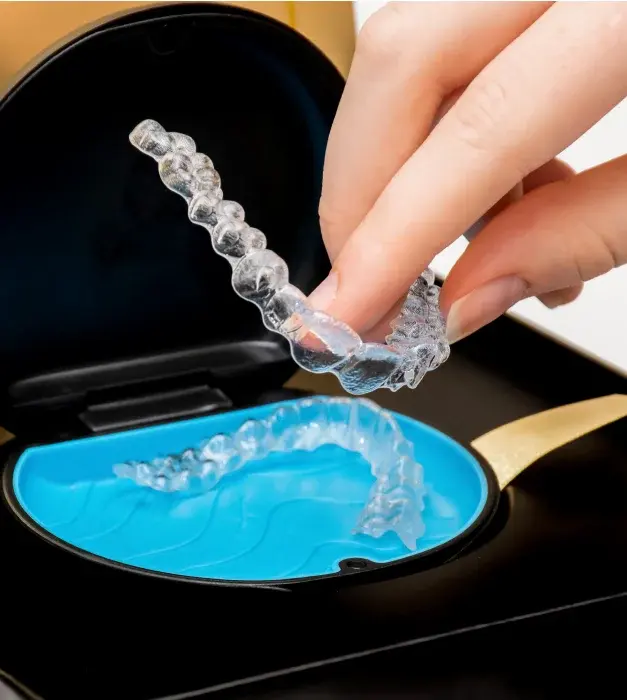
Straighten Your Teeth Without Metal Brackets
Many adults and teens want straighter teeth but hesitate at the thought of traditional metal braces. Invisalign offers a modern alternative. Using a series of custom-made, clear plastic aligners, Invisalign gradually shifts your teeth into better positions, and most people will barely notice you are wearing them. The aligners are removable, so you can keep eating the foods you love and brushing and flossing as you normally do.
At Dove Family Dentistry in Brownsville, TN, we help patients explore clear aligner treatment for crowded teeth, gaps, and bite concerns. We start by understanding your goals and examining your teeth, gums, and bite, then show you what Invisalign can realistically achieve. Our team supports you through every stage, from your first set of aligners to the retainers that protect your finished results.
Benefits of Invisalign Clear Aligners
Invisalign makes orthodontic treatment easier to incorporate into everyday life. With removable, custom-made clear aligners, you can maintain your usual meals and oral hygiene routine while gradually working toward a straighter, more balanced smile.
- Clear aligners are discreet in meetings, photos, and everyday conversations.
- You take the aligners out to eat, so there are no food restrictions like those that come with brackets and wires.
- Because you remove the aligners, cleaning your teeth is far simpler than with fixed braces.
- Smooth plastic aligners have no metal brackets or wires to irritate your cheeks and lips.
- Each set of aligners is crafted for your teeth, based on a treatment plan designed for your smile.
- Digital planning lets you see how your teeth are expected to move before treatment begins.
- Many patients find Invisalign requires fewer emergency visits than fixed braces, since there are no brackets to break.
What to Know Before Starting Invisalign
Successful clear aligner treatment depends on more than wearing nearly invisible trays. Understanding the daily commitment and caring for your aligners can help you stay on track throughout treatment.
- Wear time matters: Invisalign aligners generally need to be worn for 20 to 22 hours daily. Frequent or prolonged removal may delay progress or prevent your teeth from moving as planned.
- Remove aligners for meals: Take them out before eating and before drinking anything other than plain water. Hot drinks can distort the plastic, while drinks containing sugar or acid can become trapped against your teeth and increase the risk of dental problems.
- Keep your teeth and aligners clean: Brush and floss before putting your aligners back in whenever possible. Clean the trays according to the instructions provided, and avoid using hot water that could change their shape.
- Expect some temporary pressure: Mild tightness or soreness may occur when you begin a new set of aligners. This often eases as your teeth adjust, but persistent or severe discomfort should be discussed with the practice.
- Plan for retention after treatment: Once your teeth reach their planned positions, retainers help maintain the result. Wearing them as directed is an important part of protecting the time and effort invested in orthodontic treatment.
Your Invisalign Journey from Start to Finish
Invisalign treatment follows a personalized timeline designed around your alignment needs and smile goals. From your initial consultation to your final retainers, each stage helps guide your teeth toward their planned positions while keeping your progress on track.
Consultation and Goal Setting
We talk about what you would like to change, review your health history, and explain how Invisalign works.
Comprehensive Exam and X-rays
We check your teeth, gums, and bite to be sure your mouth is ready for treatment. Any cavities or gum concerns are addressed first.
Digital Records and Treatment Planning
Scans or impressions of your teeth are used to design your treatment plan, mapping how your teeth are expected to move step by step.
Custom Aligners Are Made
Based on your plan, a series of clear aligners is fabricated for your teeth.
First Fitting and Attachments
We check how your first aligners fit and, if needed, bond small tooth-colored attachments to certain teeth. These tiny bumps help the aligners grip and guide specific movements.
Daily Wear and Regular Changes
You wear each set for 20 to 22 hours a day and move on to the next set about every one to two weeks, as directed.
Progress Check-Ins
We see you periodically to make sure your teeth are moving as planned and your aligners are fitting properly.
Refinements When Needed
If your teeth need a little extra fine-tuning, additional aligners may be ordered to perfect the final result.
Retainers to Maintain Your New Smile
After your teeth reach their goal positions, retainers help keep them in place for the long term.
How Straighter Teeth Support Better Oral Health
Tooth alignment affects more than the appearance of your smile. Crowded, overlapping, or rotated teeth can create narrow spaces where plaque and food particles accumulate, making thorough brushing and flossing more difficult. Over time, these areas may become more vulnerable to tooth decay and gum inflammation if plaque is not removed effectively.
Bite irregularities can also contribute to uneven tooth wear, chewing difficulties, and additional strain on certain teeth or jaw muscles. Invisalign can help reposition teeth when clear aligner treatment is appropriate, potentially making daily oral hygiene easier and improving how your teeth fit together. Combined with regular dental checkups and consistent home care, better alignment can support long-term oral health.
Start Picturing Your Straighter Smile Today
If crowded teeth, gaps, or selected bite concerns are keeping you from feeling confident about your smile, Invisalign may offer a discreet way to improve your alignment. Dove Family Dentistry in Brownsville, TN, can evaluate your needs, explain whether clear aligners are appropriate, and help you understand the treatment steps involved. Get in touch with our team to arrange an Invisalign consultation and discuss your smile goals, expected treatment timeline, and next steps.
Frequently Asked Questions About Invisalign
Invisalign is a clear aligner system that straightens teeth without metal brackets or wires. You wear a series of custom-made, removable plastic aligners, switching to a new set every one to two weeks. Each set gently moves your teeth a little closer to their planned positions.