1203 East College Street Brownsville, TN 38012


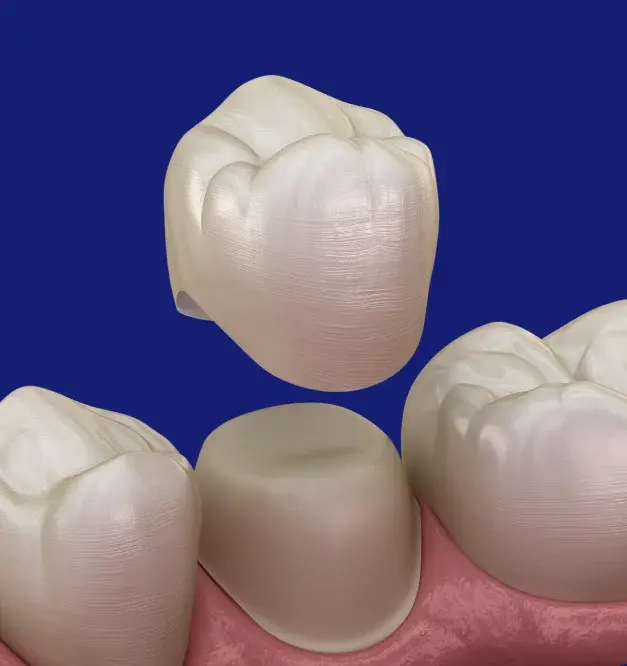
Protect Damaged Teeth With Dental Crowns
A cracked tooth, extensive decay, or a large filling can leave a tooth vulnerable to further damage. Dental crowns provide a protective covering that restores the tooth's shape, size, and strength while helping it function comfortably during everyday activities. At Dove Family Dentistry, patients can explore restorative dental care in Brownsville, TN, to address damaged teeth and preserve their natural smiles whenever possible.
A dental crown fits over the visible portion of a tooth, covering weakened areas and restoring its structure. Depending on the tooth's location, condition, and appearance goals, a crown may also improve discoloration or an uneven shape. Following an examination, the team can explain whether a crown is appropriate and discuss the options suited to your oral health needs.
How Dental Crowns Help Restore Your Smile
Dental crowns do more than improve the appearance of a damaged tooth. They help restore its strength, shape, and function while protecting weakened tooth structure. Depending on your needs, a crown can also improve your bite and support long-term oral health.
- Cover and reinforce teeth affected by extensive decay, cracks, or large fillings.
- Rebuild a damaged tooth's shape to support a more comfortable bite.
- Help retain a tooth that might otherwise require extraction when enough healthy structure remains.
- Restore the shape, size, and color of teeth with visible damage or discoloration.
- Cover teeth that need additional protection following certain root canal procedures.
- With proper care and regular dental visits, crowns can serve for many years.
When a Tooth May Need a Dental Crown
A dental crown may be recommended when a tooth needs additional support to restore its strength, function, and appearance. Common reasons include cracked teeth, extensive decay, large fillings that weaken the remaining structure, and teeth that have undergone root canal treatment. Crowns can also protect worn-down teeth and improve the appearance of severely discolored or misshapen teeth.
A crown may also be placed on a dental implant to replace the visible portion of a missing tooth. However, not every damaged tooth requires a crown. Depending on the condition, alternatives such as fillings, inlays, or onlays may be suitable. A dental examination helps determine the most appropriate treatment.
From Tooth Preparation to Your Custom Crown
Receiving a dental crown involves several steps to ensure the restoration fits properly, protects the tooth, and supports a comfortable bite. The exact process depends on the tooth being treated, the extent of the damage, and whether additional treatment is necessary.
Examine the Tooth and Plan Treatment
The visit begins with an evaluation of the affected tooth, surrounding gums, and bite. Dental X-rays may be recommended to assess the roots and supporting structures. This information helps determine whether a crown is appropriate and whether decay or other concerns need to be addressed first.
Prepare the Tooth for Coverage
Prepare the Tooth for Coverage
If a crown is suitable, the tooth is shaped to create space for the restoration. Local anesthesia is generally used to keep the procedure comfortable. Any damaged or decayed areas are treated before the tooth is prepared for its new covering.
Capture the Tooth's Shape
An impression or digital scan records the prepared tooth and nearby teeth. These details help guide the creation of a custom crown that fits the tooth and works with the surrounding bite. The shade may also be selected when a natural-looking appearance is important.
Protect the Tooth While the Crown Is Made
When the final crown is being created at a dental laboratory, a temporary crown may be placed over the prepared tooth. It helps protect the tooth and maintain function until the permanent restoration is ready. Temporary crowns require care, particularly when eating sticky or very hard foods.
Fit and Secure the Final Crown
At the placement appointment, the crown is checked for fit, appearance, and bite alignment. Adjustments may be made to improve comfort and ensure the teeth come together properly. Once the fit is satisfactory, the crown is secured in place.
Maintain the Restoration
After placement, brushing, flossing, and regular dental checkups help protect the crowned tooth and the surrounding gums. The team can also provide guidance on any adjustments to daily habits that may help prevent damage to the restoration.
Keep Your Dental Crown in Good Condition
Although a dental crown protects a damaged tooth, the underlying tooth and surrounding gums still need daily care. Brush twice daily with fluoride toothpaste, floss daily, and avoid chewing ice or hard objects that could damage the restoration. Limit sticky foods around temporary crowns and wear a recommended night guard if you grind your teeth.
Regular dental checkups help monitor the crown's condition, bite alignment, and gum health. Crowns can wear down or become damaged over time, depending on oral hygiene, materials, and biting forces. If your crown becomes loose, cracks, feels uneven, or causes persistent discomfort, seek a dental evaluation promptly to determine whether repair or replacement is necessary.
Protect Weakened Teeth With Dental Crowns
Dove Family Dentistry in Brownsville, TN, is here to help you protect and restore weakened teeth with dental crowns. Our team will assess your needs, explain your options, and guide you through treatment. Call us at 123 456 789 to schedule an evaluation and learn whether a dental crown is right for you.
Frequently Asked Questions About Dental Crowns
A dental crown is a custom-made restoration that covers the visible portion of a tooth. It helps restore the tooth's shape, strength, and function when decay, cracks, wear, or previous dental treatment has weakened it.