14710 Highway 194 Oakland, TN 38060


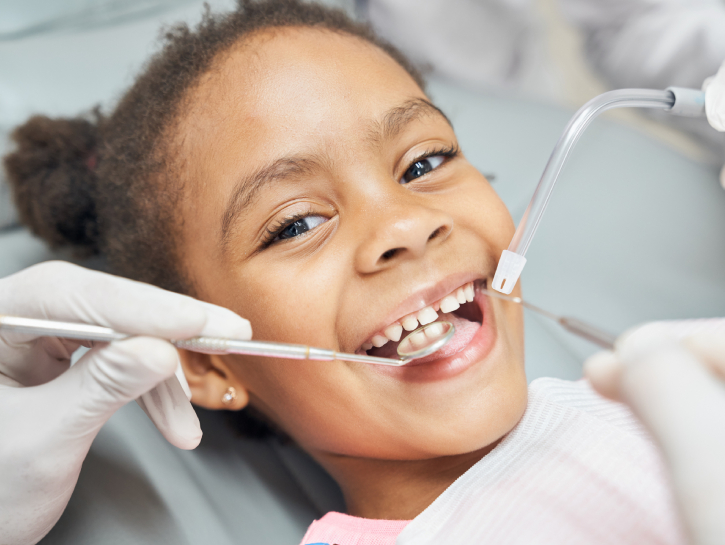
Compassionate and Specialized Care for Children’s Dental Health
The first dental visit for a child should be a positive experience. Children do not have an inherent fear of the dentist, but they may be afraid of the unknown. Our office takes extra care to use friendly and simple language to explain each treatment. We aim to make you and your child comfortable as soon as you walk through our doors. The more information you and your child have about the first visit, the more at ease you will both be.
It is crucial to introduce your child to the dentist before their first visit. Engaging in activities like reading and coloring can help you and your child discuss the dentist, making them more comfortable with the upcoming visit. This also helps children connect good oral habits with enjoyable experiences. Check out our recommended children's books and coloring sheets to help parents and teachers introduce kids to oral health and dental care.
First Dental Visit
It is recommended that children see a dentist by their first birthday to ensure their newly-erupted teeth receive proper care and develop good oral hygiene habits early on. Remember, taking care of your teeth can be enjoyable!
When New Teeth Arrive
Your child's first set of primary teeth typically start coming in between 6 and 12 months of age and will continue to come in until around age three. During this time, your child's gums may be sensitive and painful. To help ease this discomfort, we suggest gently rubbing a clean finger or a cool, wet cloth on their gums. You can also try using a teething ring. Once your child has finished teething, they will have a total of 20 primary teeth.
Primary teeth will fall out at different times during childhood, and permanent teeth will start coming in around age six and continue until age 21. Adults typically have 28 permanent teeth, or 32 if you include wisdom teeth.
Adopting Healthy Oral Hygiene Habits
Your child's first set of primary or baby teeth typically start coming in between 6 and 12 months of age and will continue to come in until around age three. During this time, your child's gums may be sensitive and painful. To help ease this discomfort, we suggest gently rubbing a clean finger or a cool, wet cloth on their gums. You can also try using a teething ring. Once your child has finished teething, they will have a total of 20 primary teeth.
Primary teeth will fall out at different times during childhood, and permanent teeth will start coming in around age six and continue until age 21. Adults typically have 28 permanent teeth, or 32 if you include wisdom teeth.
Preventing Tooth Decay with Regular Checkups
Tooth decay is caused by sugars in your mouth turning into acid, which can damage your teeth. Children are especially vulnerable to tooth decay because many do not follow good oral hygiene practices. Regular brushing, flossing, and dental checkups can help prevent tooth decay.
It is important for your child to see the dentist every six months for cleanings and checkups. Fluoride treatments and sealants are recommended to keep teeth strong and prevent decay in hard-to-reach areas. Sealants can last for several years and will be checked during your child's regular appointments.
Pediatric Dental FAQs
Here are some frequently asked questions and our responses regarding the optimal way to care for children's teeth.
It is recommended to schedule a dental appointment for your child as soon as their first tooth comes in. The American Academy of Pediatric Dentistry suggests that children should see a dentist within six months of their first tooth erupting or by their first birthday, whichever comes first.