4137 Kirby Pkwy, Suite #4, Memphis, TN 38115

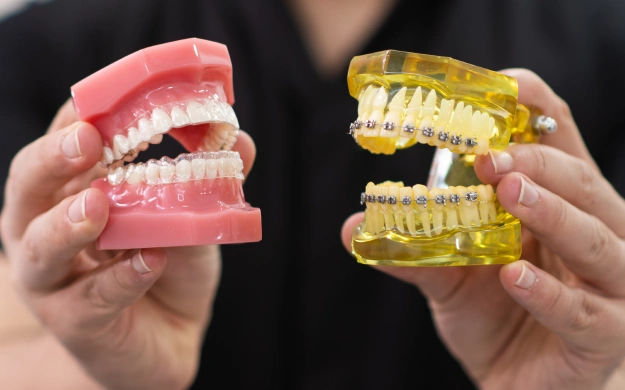
Correcting Severe Bite and Jaw Issues
For patients facing severe bite problems or jaw misalignment that cannot be addressed with braces alone, surgical orthodontics offers a comprehensive solution. Surgical orthodontics, also known as orthognathic surgery, is a highly effective treatment option that helps align the teeth and jaws, improving both function and appearance. This combination of orthodontics and surgery can address complex issues, such as misaligned jaws, severe bite problems, and facial asymmetry.
What is Surgical Orthodontics
Surgical orthodontics involves a combination of orthodontic treatment and corrective jaw surgery to reposition the teeth and jaws. While traditional braces or clear aligners are used to straighten the teeth, surgery is needed to correct jaw alignment issues. This treatment is typically recommended when the jaws do not align properly, leading to difficulty with chewing, speaking, and breathing, or causing other dental issues like tooth wear and gum problems.
When is Surgical Orthodontics Needed
Surgical orthodontics is typically recommended for patients with severe orthodontic concerns, such as:
- Severe Overbite or Underbite: When the upper and lower jaws do not align properly, causing bite issues.
- Jaw Asymmetry: When one side of the jaw is more prominent than the other, affecting facial symmetry.
- Open Bite: When the upper and lower teeth do not meet properly, leaving a gap.
- Difficulty with Chewing or Speaking: Misaligned jaws can affect basic functions like eating and speaking.
- Facial Imbalance: If the jaw misalignment causes noticeable facial imbalance.
The Surgical Orthodontic Treatment Process
The process begins with a consultation where we assess your dental and facial structure, taking X-rays, scans, and impressions to create a personalized treatment plan. Before surgery, braces are used to reposition your teeth, a phase that can take several months to ensure proper alignment.
Corrective jaw surgery is then performed by an oral surgeon to reposition the upper or lower jaw, or both, under general anesthesia. Recovery time varies based on the complexity of the surgery. Afterward, braces are used again to fine-tune the teeth and jaw alignment.
Once treatment is complete, your braces will be removed, and a retainer will be provided to help maintain your new smile and prevent your teeth from shifting back to their original positions.
Benefits of Surgical Orthodontics
- Improved Functionality: Surgical orthodontics restores proper bite alignment, improving chewing, speaking, and breathing.
- Enhanced Facial Aesthetics: Correcting jaw misalignment can improve facial symmetry, leading to a more balanced and harmonious appearance.
- Permanent Results: This treatment provides long-term solutions for severe orthodontic concerns, ensuring lasting improvements in both function and appearance.
- Pain Relief: Surgical orthodontics can reduce discomfort caused by misaligned jaws and TMJ (temporomandibular joint) disorders.
Book Your Surgical Orthodontics Consultation Today
If you’re struggling with severe orthodontic or jaw issues that cannot be corrected with traditional braces, contact Dove Family Orthodontics in Kirby, TN, to schedule a consultation. Our team will create a personalized plan that combines the best of orthodontics and surgery to give you the functional and aesthetic results you deserve.
Book Your Consultation Now
Surgical Orthodontics FAQs
Surgical orthodontics corrects severe jaw misalignment issues that cannot be addressed with braces alone, improving both function and appearance.
The entire process, including pre-surgery orthodontics, surgery, and post-surgery adjustments, can take 18 months to 2 years, depending on the severity of the case.
The surgery is performed under general anesthesia, so you won't feel pain during the procedure. Post-surgery, mild discomfort and swelling are common, but these can be managed with medication.
Initial recovery takes a few weeks, but full recovery, including post-surgery orthodontic treatment, can take several months to a year.
Yes, braces or aligners are typically needed after surgery to fine-tune the alignment of the teeth and ensure proper bite function.