
By Dove Family Dentistry | August 27, 2024
Dental implants have revolutionized the field of restorative dentistry, offering a durable and effective solution for replacing missing teeth. Unlike dentures or bridges, dental implants provide a permanent foundation for artificial teeth that look, feel, and function like natural teeth. However, one common question that many people have is: How long do dental implants last? Understanding the lifespan of dental implants can help you make informed decisions about your oral health. In this blog, we’ll explore what you need to know about the durability of dental implants and factors that can influence their longevity.
What Are Dental Implants?
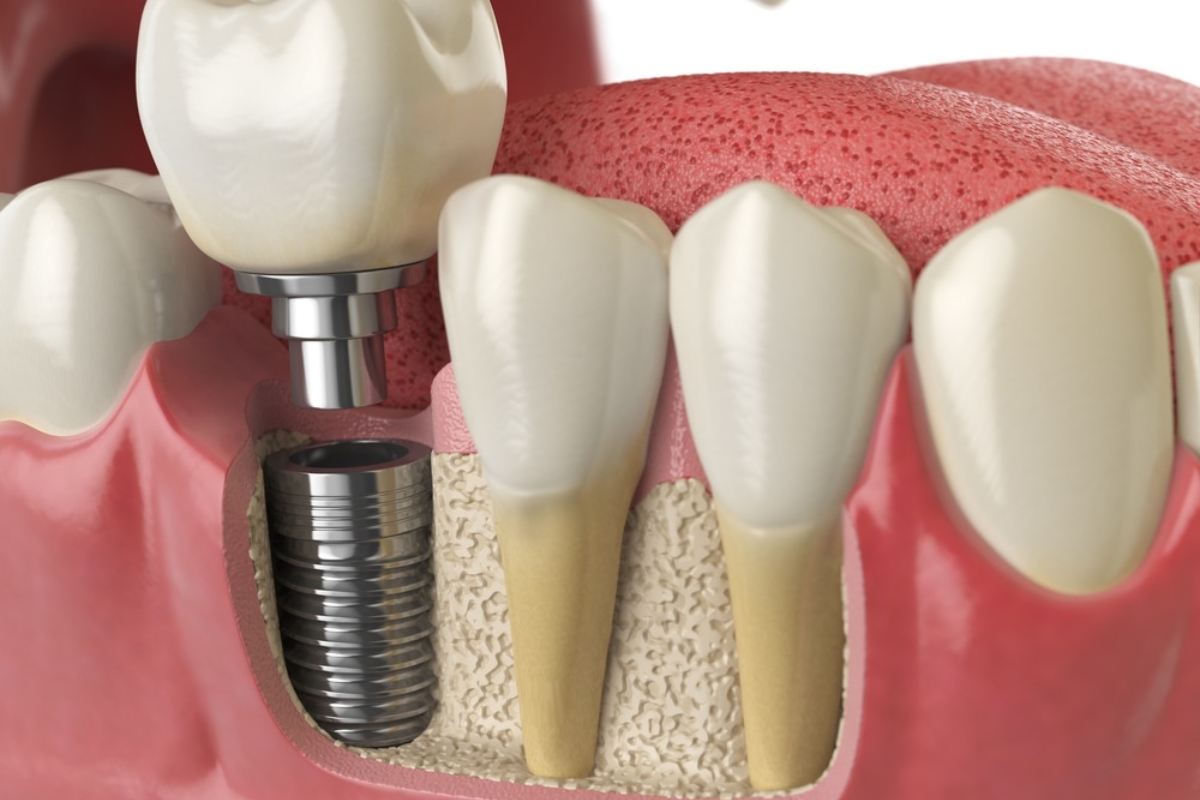
Dental implants are titanium posts surgically placed into the jawbone beneath the gum line. These posts act as artificial tooth roots, providing a stable base for a crown, bridge, or denture. The titanium material used in implants is biocompatible, meaning it fuses with the jawbone in a process known as osseointegration. This fusion creates a strong, permanent anchor for the replacement tooth, making dental implants one of the most reliable and long-lasting tooth replacement options available.
The Average Lifespan of Dental Implants
The lifespan of dental implants can vary depending on several factors, but on average, they can last anywhere from 25 years to a lifetime with proper care. Unlike other tooth replacement options, dental implants are designed to be a permanent solution. The implant itself, which is the titanium post, is incredibly durable and, with the right maintenance, can last a lifetime. However, the crown or prosthetic tooth attached to the implant may need to be replaced every 10 to 15 years due to normal wear and tear.
Factors That Influence the Lifespan of Dental Implants
While dental implants are designed to be long-lasting, several factors can impact their longevity:
- Oral Hygiene Practices
- Maintaining good oral hygiene is crucial to the longevity of dental implants. Regular brushing, flossing, and routine dental check-ups help prevent gum disease and other oral health issues that can compromise the stability of the implant. Poor oral hygiene can lead to peri-implantitis, an infection that affects the gums and bone around the implant, potentially leading to implant failure.
- Bone Quality and Quantity
- The success of dental implants largely depends on the quality and quantity of the jawbone where the implant is placed. Sufficient bone density is needed to support the implant and ensure its stability. In cases where bone density is low, bone grafting may be required before implant placement. The better the bone health, the longer the implant is likely to last.
- Lifestyle Habits
- Certain lifestyle habits can affect the lifespan of dental implants. Smoking, for example, can significantly increase the risk of implant failure due to its negative impact on oral health and healing. Similarly, excessive alcohol consumption and poor diet can weaken the immune system, making it harder for the body to maintain the implant site.
- Bite Force and Teeth Grinding
- Excessive bite force or teeth grinding (bruxism) can put undue stress on dental implants, potentially leading to damage or failure over time. If you grind your teeth, your dentist may recommend wearing a nightguard to protect the implant from excessive force during sleep.
- Dental Check-Ups and Maintenance
- Regular dental check-ups are essential for monitoring the condition of your dental implants. During these visits, your dentist can assess the implant, clean hard-to-reach areas, and address any issues before they become more serious. Proactive maintenance and early intervention can extend the lifespan of your implants.
Signs That Your Dental Implant May Need Attention
While dental implants are designed to last, it’s important to be aware of potential signs that your implant may need attention:
- Pain or discomfort around the implant site
- Swelling or inflammation of the gums
- Loosening of the implant or crown
- Difficulty chewing or biting
If you experience any of these symptoms, it’s crucial to consult your dentist immediately. Early detection and treatment can prevent more serious issues and help maintain the longevity of your implant.
Conclusion
Dental implants are a reliable and long-lasting solution for replacing missing teeth, offering benefits that can last a lifetime with proper care. By maintaining good oral hygiene, visiting your dentist regularly, and avoiding harmful habits, you can ensure the longevity of your dental implants. Whether you’re considering dental implants or already have them, understanding their lifespan and how to care for them is key to enjoying a healthy, functional smile for years to come. If you have any concerns about your dental implants or want to learn more about the procedure, schedule a consultation with your dentist to discuss your options and ensure your smile stays strong.