
As we age, our bodies undergo various changes, and oral health is no exception. For seniors, maintaining good dental care becomes increasingly important to keep smiles strong, prevent oral health problems, and support overall well-being. Unfortunately, dental issues can become more common with age, but with proper care, seniors can enjoy healthy teeth and gums well into their later years. In this blog, we’ll explore why dental care is crucial for seniors and what steps they can take to protect their oral health.
Why Dental Care is Crucial for Seniors
Aging brings unique challenges to oral health, making regular dental care more important than ever. Some of the most common dental issues seniors face include:
- Tooth Decay
While cavities are often associated with children, they are a common problem for seniors as well. As we age, the enamel on our teeth can wear down, making teeth more vulnerable to decay. Additionally, older adults may experience dry mouth, a condition where the body produces less saliva. Saliva helps wash away food particles and bacteria, so when its production decreases, the risk of tooth decay increases. - Gum Disease
Gum disease, also known as periodontal disease, is a serious condition that affects many seniors. It can lead to swollen, bleeding gums and, if left untreated, can cause tooth loss. Gum disease has also been linked to other health problems, such as heart disease and diabetes, making it even more critical for seniors to maintain good gum health. - Tooth Loss
Many seniors have lost one or more teeth over the years. Missing teeth can affect chewing, speech, and self-confidence. While dentures or implants can help restore function, maintaining the health of remaining teeth is essential to prevent further tooth loss. - Dry Mouth
Dry mouth is a common issue in older adults, especially for those who take medications that can reduce saliva production. Without enough saliva, seniors are at higher risk for cavities, gum disease, and oral infections. - Oral Cancer
The risk of oral cancer increases with age. Regular dental checkups are crucial because dentists can screen for signs of oral cancer during routine visits, allowing for early detection and more effective treatment.
The Connection Between Oral Health and Overall Health
Maintaining good dental care is about more than just keeping your teeth and gums healthy—it’s also vital for your overall health. Poor oral hygiene can contribute to various health problems, particularly for seniors:
- Heart Disease: Gum disease has been linked to an increased risk of heart disease, as bacteria from infected gums can enter the bloodstream and contribute to inflammation in the arteries.
- Diabetes: Diabetes and gum disease often go hand-in-hand. Seniors with diabetes are more prone to infections, including gum disease, which can make managing blood sugar levels more difficult.
- Respiratory Infections: Bacteria in the mouth can travel to the lungs, leading to respiratory infections such as pneumonia, which can be particularly dangerous for older adults.
By keeping their mouths healthy, seniors can also reduce the risk of these serious health issues.
Dental Care Tips for Seniors
The good news is that many of the oral health challenges seniors face can be managed with regular care and attention. Here are some dental care tips to help seniors keep their smiles strong:
- Brush and Floss Daily
Brushing twice a day and flossing once a day are the cornerstones of good dental hygiene. Use a soft-bristled toothbrush and fluoride toothpaste to protect enamel and prevent cavities. Seniors with arthritis or limited mobility may benefit from using an electric toothbrush or a toothbrush with a thicker handle for easier grip. - Stay Hydrated
Drinking plenty of water throughout the day can help combat dry mouth and keep your mouth hydrated. Water also helps wash away food particles and bacteria, reducing the risk of tooth decay and gum disease. - Use Mouthwash
An alcohol-free mouthwash can help reduce bacteria in the mouth and fight bad breath. Seniors dealing with dry mouth may find that certain mouthwashes specifically designed to increase saliva production provide relief. - Visit the Dentist Regularly
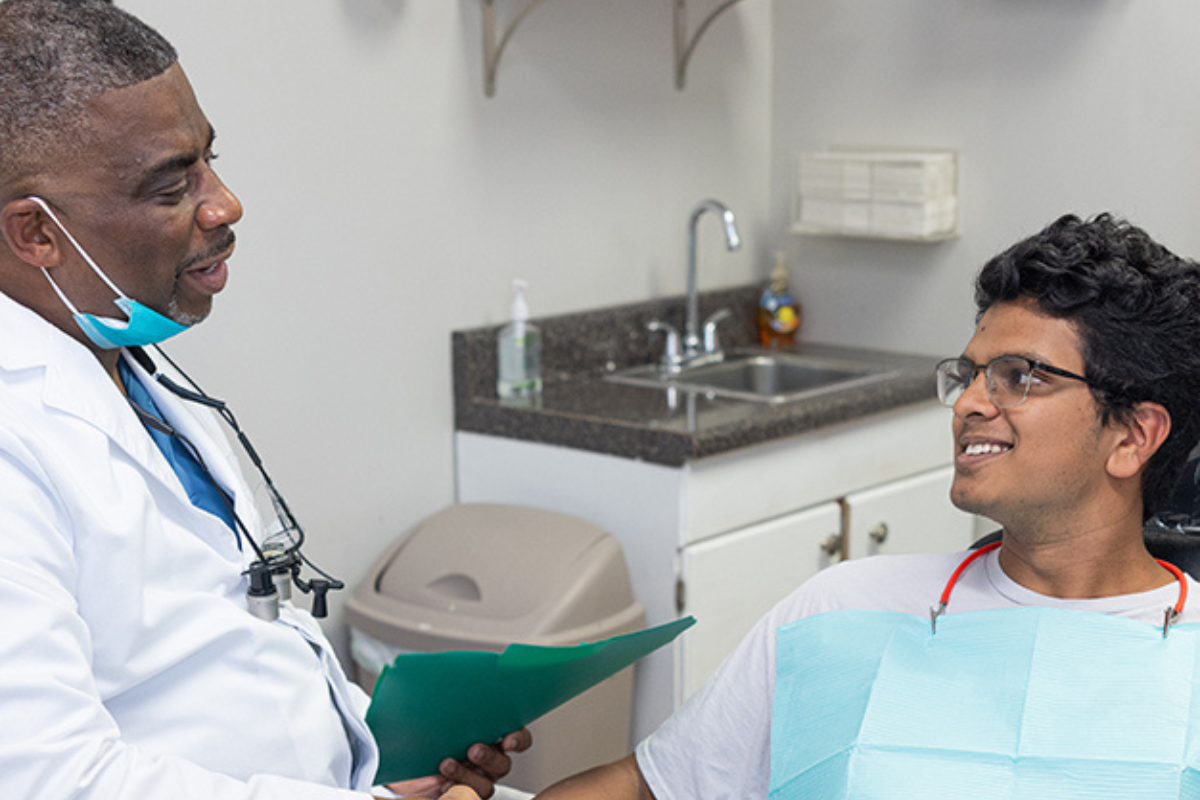
Regular dental checkups are essential for catching problems early. Seniors should aim to visit their dentist every six months or as recommended. During these visits, the dentist will perform a thorough cleaning, check for signs of decay, and screen for oral cancer. Early detection is key to preventing more serious issues down the line. - Maintain Dentures and Implants
Seniors with dentures or implants should ensure they are cleaned and maintained properly. Poorly fitting dentures can lead to discomfort and sores, while implants require regular cleaning to prevent infection. - Quit Smoking
Smoking increases the risk of gum disease, tooth loss, and oral cancer. Seniors who smoke should consider quitting to protect their oral and overall health.
Conclusion
For seniors, taking care of their teeth and gums is essential to maintaining not only a beautiful smile but also their overall health. By brushing, flossing, staying hydrated, and visiting the dentist regularly, seniors can prevent common oral health issues and enjoy strong, healthy teeth well into their later years. Dental care should never be overlooked, as it plays a vital role in ensuring a high quality of life as we age.