1108 Whitehall St Jackson, TN 38301

Trustworthy and Authentic Tooth Replacement Solutions
For individuals with missing teeth, a bridge can be utilized as a replacement option. Bridges play a crucial role in preserving facial shape and reducing pressure on the bite.
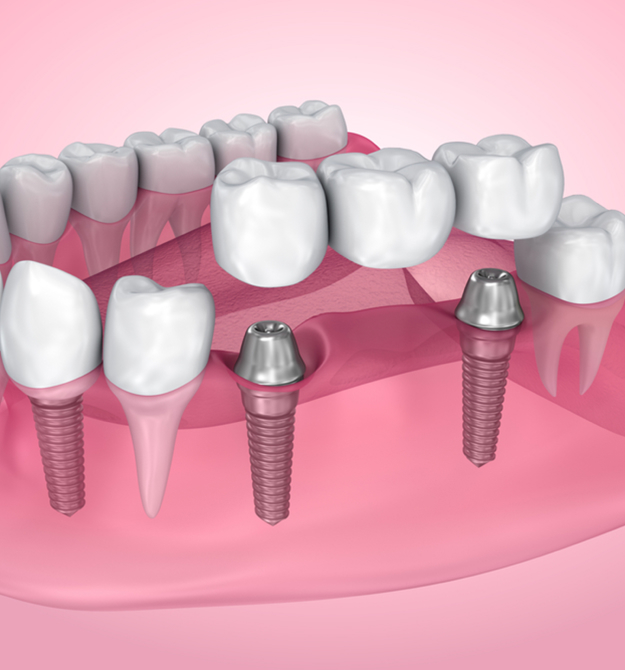
By utilizing artificial teeth, bridges effectively fill in the gaps left by missing teeth while also providing a natural appearance. Bridges can be crafted from materials such as gold, alloys, porcelain, or a combination of these, and are securely attached to neighboring teeth for stability.
The durability of a bridge is contingent upon the health and strength of its foundation – the surrounding teeth, gums, and bone to which it is attached. Therefore, maintaining the health of neighboring teeth, gums, and jaw bone is essential for the success of a bridge.
Benefits of Dental Bridges
Dental bridges offer several advantages over removable dentures:
- Improved Appearance: Dental bridges restore the natural look of your smile.
- Enhanced Speech: Bridges can improve your ability to speak clearly.
- Restored Chewing Ability: Bridges allow you to chew food more effectively.
- Prevents Teeth Shifting: Bridges prevent remaining teeth from drifting out of position.
- Maintains Facial Shape: Bridges help maintain the shape of your face.
- Increased Confidence: A restored smile can boost your confidence and self-esteem.
Types of Dental Bridges
There are two main types of dental bridges:
- Traditional Fixed Bridge: This is the most common type of bridge, which consists of two crowns on the abutment teeth and pontics filling the gap of the missing teeth. The bridge is permanently cemented to the abutment teeth.
- Implant-Supported Bridge: This type of bridge utilizes dental implants for support instead of crowns on abutment teeth, offering greater stability and longevity compared to traditional bridges.
Considering Dental Bridges?
If you are missing teeth and seeking a long-term solution to enhance your smile and eating ability, consider dental bridges as a great option. Contact Dove Family Dentistry in Jackson, TN today to schedule a consultation. Our skilled dentists will assess your individual needs and determine if dental bridges are the right choice for you. Begin your path to a renewed smile by reaching out to us now. Contact us today.
