693 President Pl STE 101, Smyrna, TN 37167


Clearer Views for Better Dental Treatment
Modern advancements have transformed the way dental care is delivered, making treatments more accurate and patient-friendly. One such innovation is the intraoral camera, which allows dentists to capture detailed images of areas that are otherwise difficult to examine. These high-resolution visuals help both the patient and dental team clearly understand existing concerns and plan treatments more effectively. At Dove Family Dentistry - Smyrna, we incorporate advanced tools like intraoral cameras to enhance diagnosis, improve communication, and deliver more precise care. This technology also helps patients feel more involved and confident in their treatment decisions.
What is an Intraoral Camera
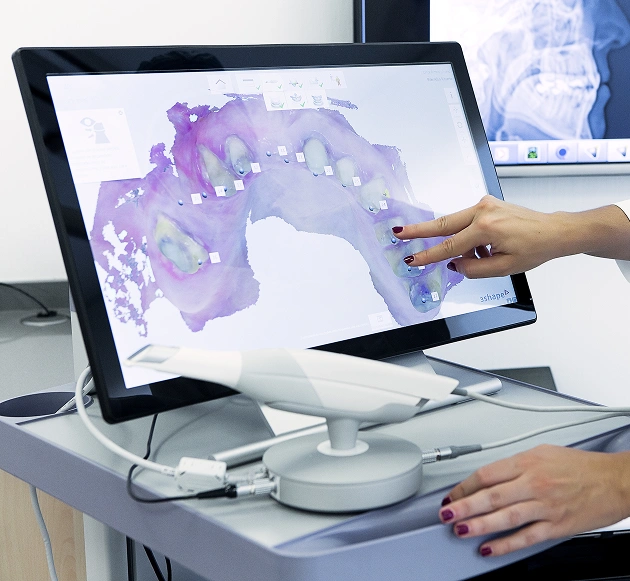
An intraoral camera is a small, handheld digital device designed to capture clear images inside the mouth. Its compact size allows it to reach tight or hidden areas that are not easily visible during a standard exam. These cameras are especially useful for identifying early signs of dental issues that might otherwise go unnoticed. By providing a close-up view, they support more accurate evaluations and timely care.
How Do They Work
Intraoral cameras function by capturing detailed, high-definition images of the teeth, gums, and surrounding oral structures. Once the images are taken, they are instantly displayed on a monitor for easy viewing and analysis. In some cases, multiple images can be combined using imaging software to create a comprehensive digital view of the mouth. Dentists can use this technology to examine both hard and soft tissues, including gums and other delicate areas. The process is quick, non-invasive, and designed to provide clear and reliable visual information.
Intraoral Camera Uses in Dentistry
The primary role of intraoral cameras is to assist in diagnosing and monitoring oral health conditions with greater accuracy. They serve multiple purposes in everyday dental care, such as:
- Identifying unusual spots, lesions, or early signs of oral health concerns with detailed visual documentation.
- Helping patients better understand their dental condition by showing real-time images, making treatment discussions more clear and informative.
- Recording and storing images to track changes in oral health over time and evaluate the effectiveness of previous treatments.